How a Food Manufacturer Improved Audit Readiness 43% Faster with ISO Toolkits
A realistic case study showing how Southern Harvest Foods Ltd., a mid-sized food manufacturer in Auckland, used ISO Toolkits to standardize quality control, food safety records, supplier approval, traceability, cleaning verification, corrective actions, and internal audit preparation across a fast-moving production environment.
- Reduced audit preparation time from 21 weeks to 12 weeks
- Standardized production and food safety records across 5 processing lines and 2 packaging areas
- Improved traceability and corrective action control before customer and certification audits
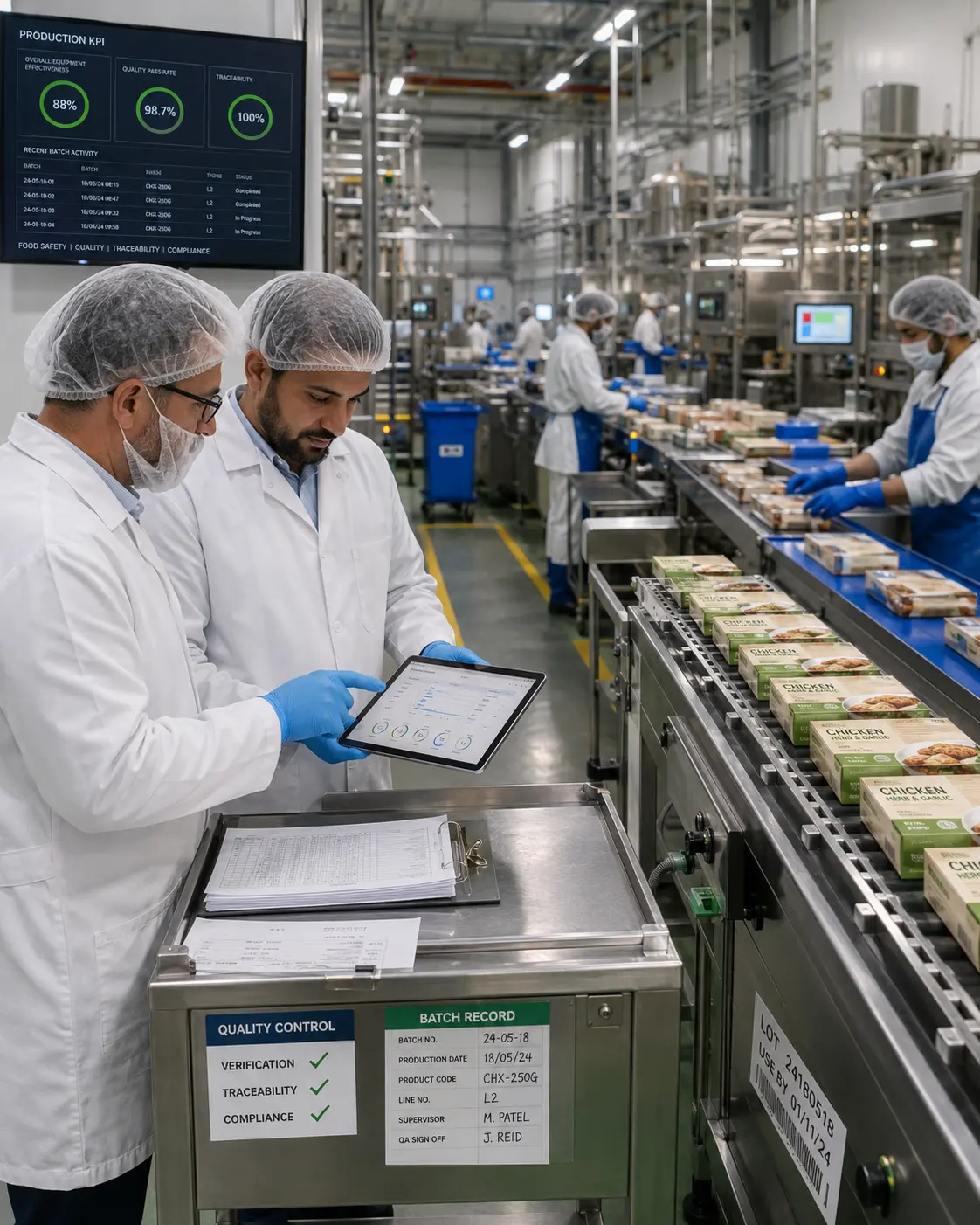
From inconsistent production records to a practical food safety management system
Business Challenge
Batch records, cleaning logs, supplier approvals, traceability checks, inspection forms, and corrective actions varied across shifts and production lines.
21-week preparation cycleToolkit Solution
The company adopted editable procedures, food safety registers, batch record templates, cleaning verification forms, supplier records, CAPA trackers, and audit checklists.
5 core toolkit modules deployedMeasured Outcome
After six months, the organization improved documentation readiness, reduced repeat quality issues, strengthened traceability, and closed corrective actions faster.
0 critical audit findings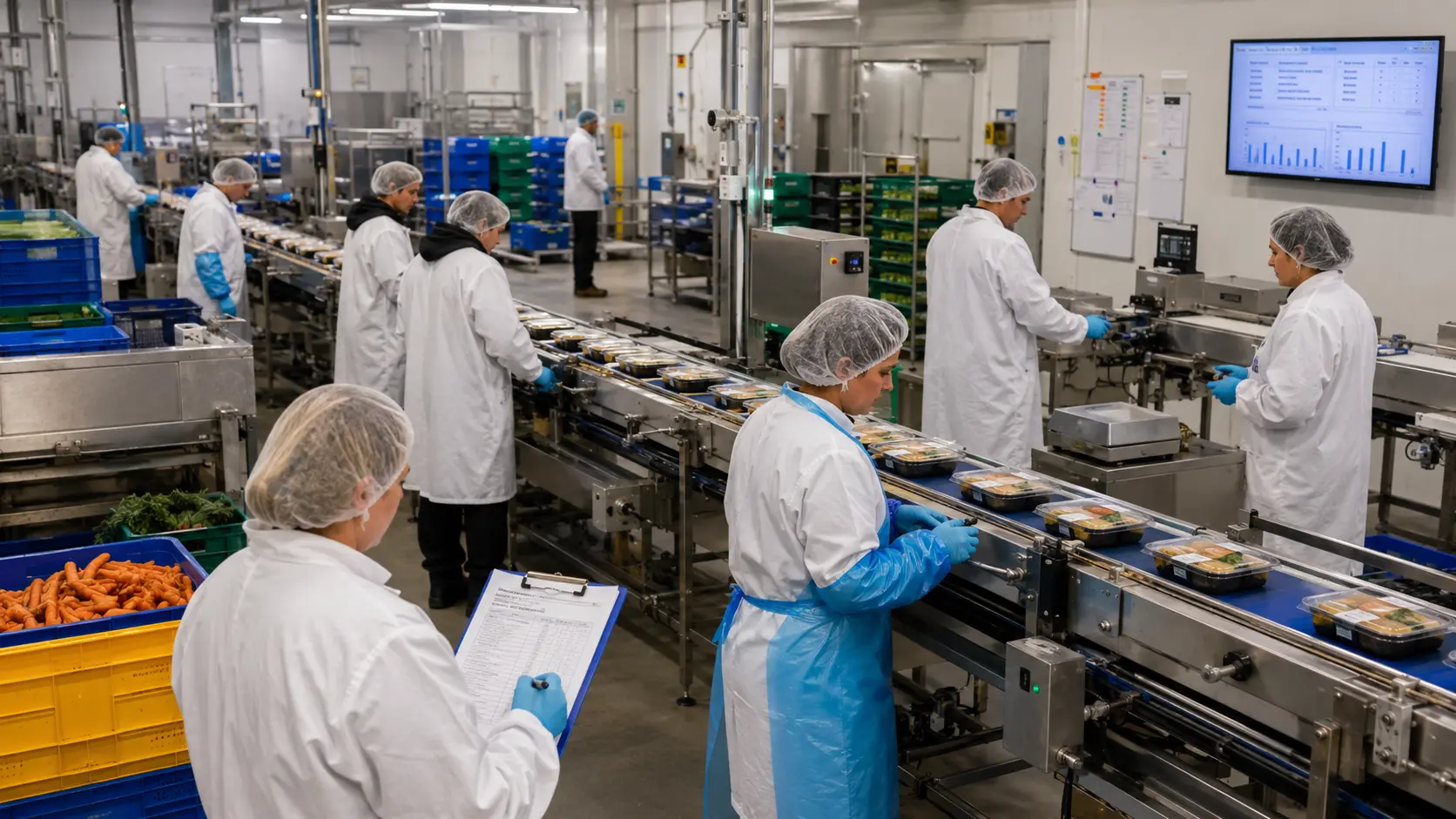
Food manufacturer supplying packaged products to retail and export customers
Southern Harvest Foods Ltd. is a Auckland-based food manufacturer producing packaged ready-to-eat and chilled food products for retail chains, hospitality distributors, and export customers across New Zealand and selected Asia-Pacific markets. The organization operates five processing lines, two packaging areas, and a cold-chain distribution process.
Before the ISO Toolkit project, the company had experienced production supervisors, quality technicians, and food safety personnel. However, its management system relied on separate spreadsheets, paper-based shift records, inconsistent document naming, and fragmented supplier and traceability evidence. Leadership needed a structured ISO approach that would improve audit readiness while remaining practical for daily production.
Key implementation barriers slowing down food manufacturing ISO readiness
Inconsistent batch records
Production logs, in-process checks, packaging checks, release records, and shift handovers were recorded differently across lines and teams.
Fragmented hygiene evidence
Cleaning schedules, sanitation verification, allergen control records, and equipment inspection forms were stored in separate folders and binders.
Weak traceability visibility
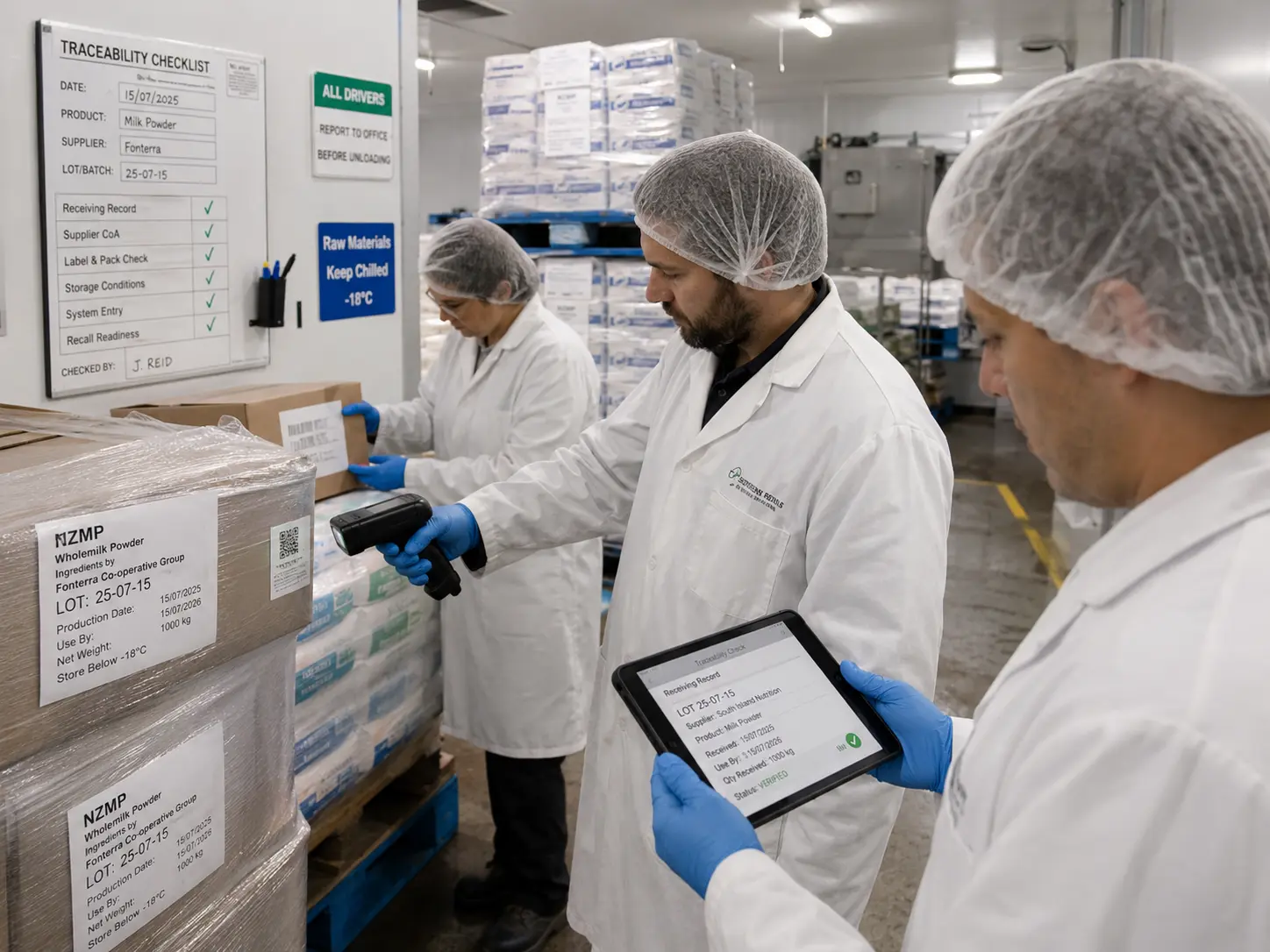
Raw material lots, supplier records, finished product batches, and recall simulation evidence were not managed through one consistent traceability register.
Manual audit preparation
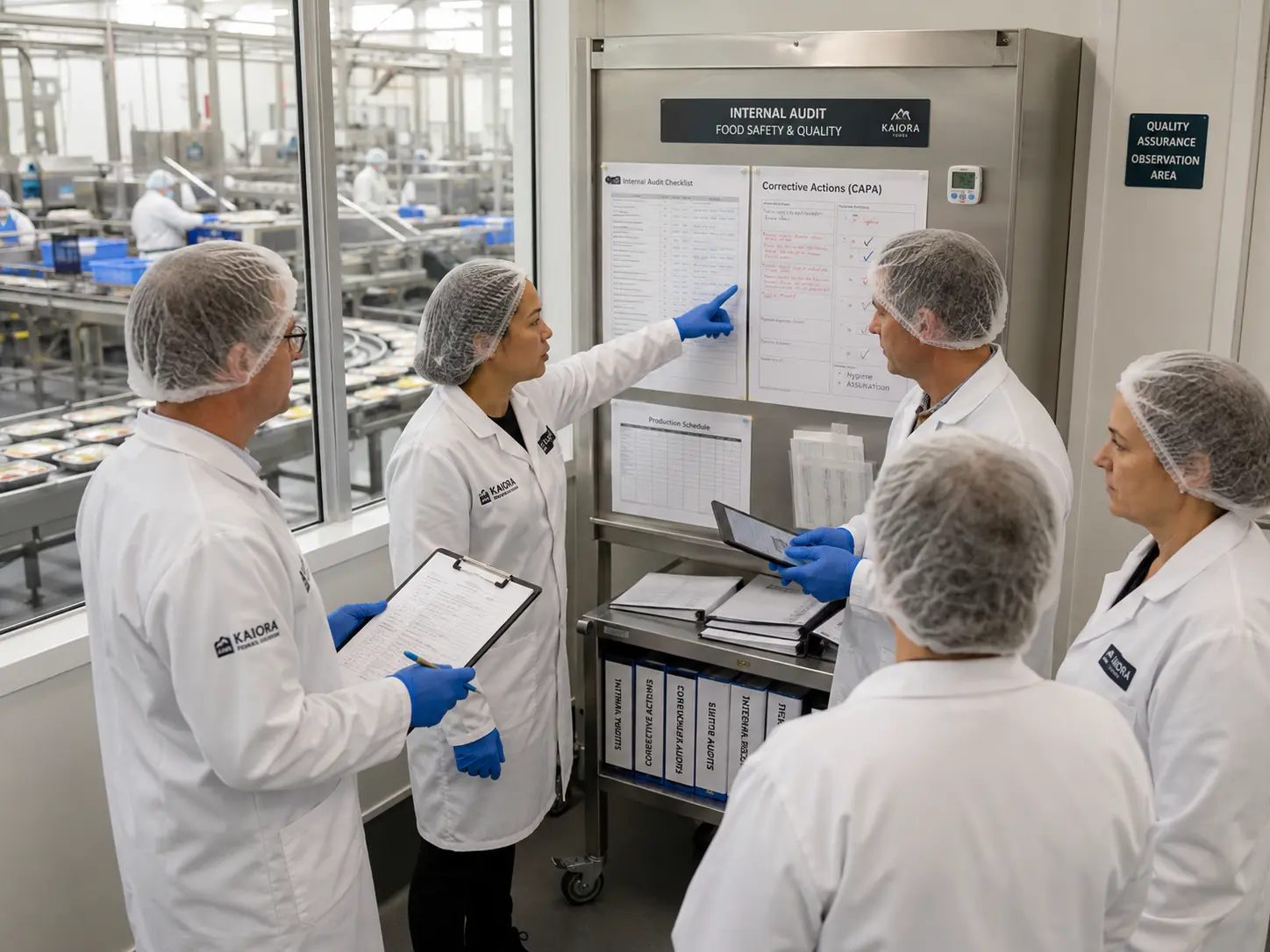
The quality team had to manually prepare gap assessments, internal audit plans, document lists, supplier evidence, and corrective action trackers.
ISO Toolkits applied in the food manufacturing environment
The implementation team selected toolkit components that supported food safety controls, production records, supplier approval, traceability, hygiene verification, audit evidence, and management review.
Food Safety Procedures
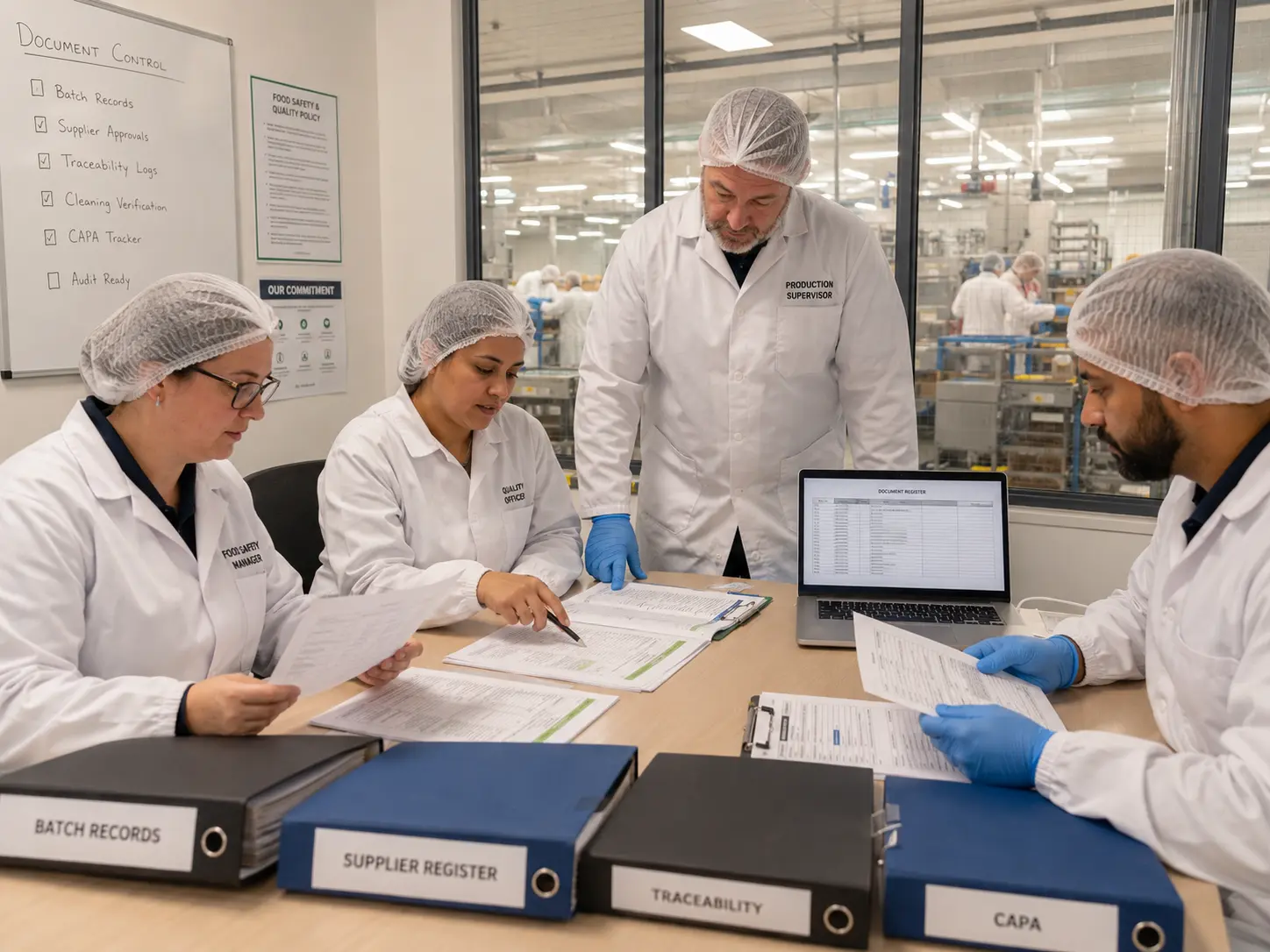
Document control, production control, cleaning verification, allergen control, supplier approval, traceability, nonconformity management, internal audit, and management review procedures.
Forms & Registers
Batch record, supplier register, traceability register, cleaning log, allergen checklist, inspection form, complaint log, corrective action form, and training matrix.
Audit Checklists
Clause-based audit questions mapped to ISO 9001 and ISO 22000 requirements with evidence prompts for production, quality, warehouse, and sanitation teams.
KPI Dashboard
Monthly tracking for batch record completion, nonconforming product, sanitation verification, supplier performance, traceability test results, CAPA closure, and audit findings.
Six-month food manufacturing implementation roadmap
Gap Assessment
Reviewed production records, food safety procedures, supplier files, cleaning logs, traceability evidence, training records, and audit readiness against ISO requirements.
Toolkit Customization
Adapted templates to product categories, processing lines, CCP/OPRP controls, allergen handling, document coding, approval rules, and production shift practices.
Team Training
Trained production supervisors, quality technicians, warehouse staff, sanitation teams, and maintenance personnel on required records and escalation pathways.
Pilot Operation
Tested batch records, cleaning verification forms, traceability logs, and nonconformity reports on two product lines before factory-wide rollout.
Internal Audit
Performed process audits across receiving, storage, production, packaging, sanitation, supplier control, traceability, and corrective action management.
Certification Readiness
Closed priority audit actions, prepared evidence packs, completed a traceability exercise, reviewed supplier evidence, and finalized management review.
KPI results after six months
Measured six months after ISO Toolkit deployment. Figures are designed to reflect realistic food manufacturing and food safety implementation outcomes.
Faster audit readiness
Audit preparation time reduced from 21 weeks to 12 weeks.
Reduction in repeat quality issues
Recurring product and process nonconformities declined after standard inspection and batch records were introduced.
Batch record completion rate
Production and quality teams completed required batch, inspection, and release records on time.
Faster CAPA closure
Average corrective action closure time improved through root cause analysis, owner assignment, and verification tracking.
Before vs. After ISO Toolkits
| Area | Before | After ISO Toolkits |
|---|---|---|
| Batch Record Control | Different production, inspection, and release record formats used by line and shift | Standardized batch records, ownership, approval status, and release evidence across production lines |
| Food Safety Controls | Cleaning, allergen, CCP/OPRP, and hygiene records stored separately | Integrated food safety registers, verification forms, escalation rules, and evidence-based review |
| Traceability | Raw material lots, supplier evidence, and finished goods records reviewed manually | Traceability register, batch linkage, mock recall record, and supplier documentation review process |
| Corrective Actions | Nonconformities and customer complaints followed up through email and informal reminders | CAPA form with root cause, product impact review, owner, deadline, verification, and closure status |
“The ISO Toolkits helped our quality and production teams create a system that worked on the factory floor. We moved from scattered records to clear evidence for traceability, hygiene, supplier control, and corrective actions.
Ready to build an Audit Ready ISO system for food manufacturing?
Use ISO Toolkits to accelerate documentation, standardize food safety controls, improve production records, strengthen supplier and traceability evidence, and create a practical management system your teams can actually use.